.

35 MPG: Why Wait Until 2020?

One of the keys to restarting the American economy is staring us in the face. While our future hinges on the rapid adoption of fuel-efficient vehicles, our government stands in the way of a rapid free market solution.


35 MPG can be an immediate reality, with one domestic manufacturer, if the United States government would only allow it to happen. Our elected representatives need to be aware of the facts and make the appropriate decisions.

Chrysler is uniquely positioned among the Big Three US automakers. Unlike Ford and General Motors, Chrysler is already building a slew of high-MPG diesel-powered vehicles right here in the United States.

Amazing as it may seem in these difficult times, Chrysler is not allowed to sell those cars domestically, due to recently tightened emissions regulations. With the exception of the domestically-available Jeep Grand Cherokee diesel, all of Chrysler’s North American manufactured high-MPG diesel-equipped vehicles are being shipped abroad.

Each and every one of Chrysler’s European models is available with a diesel engine, with the exception of the Dodge Viper. In fact, a diesel engine can be found under the hood of more than 50% of the vehicles that Chrysler sells in Europe.

All-in-all, a dozen Chrysler, Dodge, and Jeep diesel-engined models are currently available outside of the United States, but are not sold domestically.

Here’s the eye-opener … half of those models currently achieve 35 miles per gallon combined.

That’s 35 MPG … right now.

And what’s even more crazy? All of these 35 MPG cars and SUVs are built in North American plants by North American workers … American citizens cannot buy and drive the fuel-efficient cars they build.
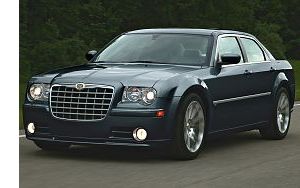
The thriftiest of the bunch delivers nearly 50 MPG on the highway … and it’s no dog off the line, turning in 0-62 mile per hour (MPH) times under nine seconds. The fastest in the pack delivers 7.6 second 0-62 times and 35.6 MPG on the highway.

Needless to say, these are wonderful world-class cars, a world apart from your Uncle’s noisy, slow, smelly 80’s-era diesel.

The Mercedes-Benz V6 diesel-equipped Jeep Grand Cherokee is the first US-built passenger vehicle to meet the tougher Federal emissions requirements. With the emissions work done on the Mercedes’ 3.0 liter engine, we expect the Chrysler 300 to be the next diesel-powered domestic, as it shares the same powerplant. (At present, diesel 300s are being built in Graz, Austria.)

Chrysler is using four different diesel engines, in all:

  • 2.0 liter Volkswagen turbo-diesel inline four (Avenger, Caliber, Compass, Journey, Sebring, Patriot)
  • 2.2 liter Mercedes-Benz inline four (PT Cruiser)
  • 2.8 liter VM Motari inline four (Cherokee, Grand Voyager, Nitro, Wrangler)
  • 3.0 liter Mercedes-Benz V6 (300, Commander, Grand Cherokee)

What if the federal government temporarily rolled back the emissions requirements for one or two years, to allow the sale of these fuel-sipping vehicles while Chrysler and its partners complete the engineering necessary to meet the current regulations?

Crazier schemes have been implemented to stimulate the economy, no doubt about that. But this one just might work … by spurring investment and putting people back to work.

As you ponder that thought, take a gander at a group of specifications that compare the European diesels with the most fuel-efficient engines in each of the US domestics …

Jeep Patriot Diesel

Plant: Belvedere, IL
Engine: Volkswagen 2.0 liter common rail turbo-diesel inline four cylinder engine, producing 138 HP and 229 foot pounds of torque. 0-62 MPH in 11 seconds when equipped with a six-speed manual transmission.

(Domestic: 2.4 liter I4/5-speed/2WD - more: Jeep Patriot Gas Mileage Ratings)

 
US MPG Euro Diesel
Domestic US MPG
Highway
42.8
28
City
26.7
23
Combined
35.1

Jeep Compass Diesel

Plant: Belvedere, IL
Engine: Volkswagen 2.0 liter common rail turbo-diesel inline four cylinder engine, producing 138 HP and 229 foot pounds of torque. 0-62 MPH in 11 seconds when equipped with a six-speed manual transmission.

(Domestic: 2.4 liter I4/5-speed/2WD - more: Jeep Compass Gas Mileage Ratings)

US MPG Euro Diesel
Domestic US MPG
Highway
43.5
28
City
28.3
23
Combined
36.2

Jeep Wrangler Diesel

Plant: Toledo, Ohio
Engine: VM Motori 2.8 liter common rail diesel four cylinder, producing 174 HP and 302 foot pounds of torque. 0-62 MPH in 11.2 seconds (two door), 11.7 seconds (four door) when equipped with a six-speed manual transmission.

(Domestic: 3.8 liter V6/6-speed/2WD)

Two-door
US MPG Euro Diesel
Domestic US MPG
Highway
28.3
21
City
18.5
16
Combined
23.7

Jeep Cherokee (aka: Liberty) Diesel

Plant: Toledo, Ohio
Engine: VM Motori 2.8 liter common rail diesel four cylinder, producing 161 HP and 295 foot pounds of torque. 0-62 MPH in 11.2 seconds when equipped with a six-speed manual transmission.

(Domestic: 3.7 liter V6/6-speed/2WD)

US MPG Euro Diesel
Domestic US MPG
Highway
30.6
22
City
19.6
16
Combined
25.3

(The 2.8 liter diesel engine was available in the domestic Jeep Liberty in the 2005 and 2006 model years.)

Jeep Commander Diesel

Plant: Jefferson North, MI
Engine: Mercedes-Benz 3.0 liter common rail diesel, producing 215 HP and 376 foot pounds of torque. 0-62 MPH in 9.0 seconds when equipped with a five-speed automatic transmission.

(Domestic: 3.7 liter/V6/5-speed Auto/2WD or 4.7 liter/V8/5-speed Auto/2WD)

US MPG Euro Diesel
Domestic US MPG
Highway
25.6
19
City
17.4
14
Combined
21.8

Chrysler 300 Diesel

Plant: Brampton, Ontario & Graz, Austria (diesels)
Engine: Mercedes-Benz 3.0 liter common rail diesel, producing 215 HP and 376 foot pounds of torque. 0-62 MPH in 7.6 seconds - Sedan (Saloon), 8.6 seconds - Wagon (Touring), when equipped with a five-speed automatic transmission.

(Domestic: 2.7 liter V6/5-speed Auto)

US MPG Euro Diesel
Domestic US MPG
Highway
35.6
26
City
21.8
18
Combined
29

Chrysler Grand Voyager (aka: Town & Country) Diesel

Plant: St. Louis (diesels)
Engine: VM Motori 2.8 liter common rail diesel four cylinder, producing 174 161 HP and 339 265 foot pounds of torque. 0-62 MPH in 12 seconds when equipped with a four-speed automatic transmission.

(Domestic: 3.3 liter V6/4-speed auto - more: Chrysler Town and Country Gas Mileage Ratings)

US MPG Euro Diesel
Domestic US MPG
Highway
35.1
24
City
20.5
17
Combined
27.6

Chrysler PT Cruiser Diesel

Plant: Toluca, Mexico
Engine: Mercedes-Benz 2.2 liter common rail diesel four cylinder, producing 148 HP and 221 foot pounds of torque. 0-62 MPH in 10.8 second, when equipped with a five-speed manual transmission.

(Domestic: 2.4 liter I4/5-speed Manual - more: Chrysler PT Cruiser Gas Mileage Ratings)

 
US MPG Euro Diesel
Domestic US MPG
Highway
42
26
City
27.3
21
Combined
35.1

Chrysler Sebring Diesel

Plant: Sterling Heights, MI
Engine: Volkswagen 2.0 liter common rail turbo-diesel four cylinder, producing 138 HP and 229 foot pounds of torque. 0-62 MPH in 12 seconds when equipped with a six-speed manual transmission.

(Domestic: 2.4 liter I4/4-speed auto - more: Chrysler Sebring Gas Mileage Ratings)

US MPG Euro Diesel
Domestic US MPG
Highway
46.1
30
City
28.6
21
Combined
38

Dodge Avenger Diesel

Plant: Sterling Heights, MI
Engine: Volkswagen 2.0 liter common rail turbo-diesel four cylinder, producing 138 HP and 229 foot pounds of torque. 0-62 MPH in 12 seconds when equipped with a six-speed manual transmission.

(Domestic: 2.4 liter I4/4-speed auto - more: Dodge Avenger Gas Mileage Ratings)

US MPG Euro Diesel
Domestic US MPG
Highway
46.1
30
City
28.6
21
Combined
38

Dodge Caliber Diesel

Plant: Belvidere, IL
Engine: Volkswagen 2.0 liter common rail turbo-diesel, producing 138 HP and 229 foot pounds of torque. 0-62 MPH in 8.8 seconds when equipped with a six-speed manual transmission.

(Domestic: 1.8 liter I4/5-speed manual)

US MPG Euro Diesel
Domestic US MPG
Highway
49
29
City
29.8
24
Combined
39.2

Dodge Nitro Diesel

Plant: Toledo, Ohio
Engine: VM Motori 2.8 liter common rail diesel four cylinder, producing 174 HP and 339 302 foot pounds of torque. 0-62 MPH in 10.5 second when equipped with a five-speed automatic transmission.

(Domestic: 3.7 liter V6/6-speed manual)

US MPG Euro Diesel
Domestic US MPG
Highway
30.1
22
City
19.3
16
Combined
25

Dodge Journey Diesel (Coming Soon)

Plant: Toluca, Mexico

Engine: Volkswagen 2.0 liter common rail turbo-diesel four cylinder, producing 140 HP and 229 foot pounds of torque. Equipped with a six-speed manual or automatic transmission.

Mileage figures yet to be released.


Footnotes:

(1) MPG figures were converted from UK urban/extra-urban/combined mile per British gallon estimates for the purposes of this report, using publicly available data.

(2) Chrysler assembles, but does not manufacture, diesel-powered Dodge Sprinter Vans in Charleston, South Carolina. Mercedes-Benz ships the parts from Europe.

(3) Cummins diesel engines are a popular domestic option in heavy-duty models of the Dodge Ram pickup. Dodge is poised to extend diesel engines throughout the range.

Similar Posts

.

99 comments ↓

#1 chris on 03.16.08 at 4:20 pm

With all of these diesel-based autos getting great MPG, why not temporarily delay emissions requirements? This would be a help to: car owners (less gas money to spent), US auto workers (more US-built cars being bought), and to the US economy (US jobs kept instead of being lost to other countries).

#2 mpg-o-editor on 03.16.08 at 5:20 pm

@Chris - spot on … imagine the day when 50% of the cars that Chrysler sells in the USA are diesel-powered … imagine them running on domestically sourced B20 biodiesel.

It’s not far fetched, not in the least. Someone needs to wake up the politicians, in order for them to allow it to happen.

The answer isn’t corn-based ethanol. It’s biodiesel … we need the diesel cars, suvs, and trucks that can run it.

#3 Bob Rankin on 03.17.08 at 1:40 pm

The latest Scientific American (Mar 08) reported that a five-year study on switchgrass showed that it was a much better source of ethanol than corn. Switchgrass yielded 540 percent more energy than was used to produce it, compared to 25% for corn-based ethanol.

#4 Greg on 03.17.08 at 7:11 pm

I may be mistaken, but I was led to understand one of the reasons diesels are farther out on the horizon was not just due to stricter federal regulations for what comes out of the tailpipe, but stricter new fuel formulations, particularly a much lower sulfur content than in Europe.

I was told that a good part of the delay wasn’t so much trying to meet the standards at smog check centers, but to make diesel engines work better with the new fuel formulations.

I don’t remember where I heard it, though, so please debunk this if I’m mistaken.

#5 Mike on 03.18.08 at 8:14 am

Guess we are the outsourced country on this one ;-)

Seriously, if this country started allowing these cars to be sold tomorrow I would bet that layoffs would soon follow for the US workers so that the manufacturer could tap cheaper labor in other countries and then sell back to Americans at even higher prices…just seems to be the way our companies treat their own these days…

Any ideas on how much pollution these diesels cause compared to the standard car? Just curious. I guess I could google that huh..

peace all..

#6 mpg-o-editor on 03.18.08 at 8:31 am

@ Bob - Yep! Switchgrass looks to be far more practical than corn as an ethanol feedstock, but it’s still a ways off. Keep in mind that flexfuel cars running ethanol might only get 80% of the mileage with high ethanol blends that they get with gasoline.

@ Greg - There’s lots of haze spinning around the issue, no doubt … but think about this … all the diesels that are currently on the road here in America are now running that low-sulfur fuel.

@ Mike - With the historic weakness in the US dollar, the cars *have* to be built here. Importing engines is one thing … but entire cars? That needs to be slashed to a minimum.

I’d suspect that the exported cars are roughly equivalent to the 2006 US specs. Jeep used the VM Motari 2.8 in the 2005-2006 Liberty CRD. VW sold Jetta diesels here through 2006 and will pick things up again with the 2009 model year, after a manufacturing delay. The Mercedes V6 is already clean … and a sweet engine it is … a perfect fit for the Grand Cherokee.

#7 James Clark on 03.18.08 at 9:52 am

I was actively looking for an alternative fuel vehicle and selected the Grand Cherokee Diesel. I’ve had it for three months now and am burning B20 biodiesel from Blue Sun Biodiesel.

Love the car. The cost of diesel is a bit of an issue, but I hardly drive so that helps.

Living in Colorado, I wanted a car that would be safe for my family and be good in the snow. This Grand Cherokee Diesel is all of them.

#8 Bill on 03.18.08 at 2:57 pm

Just for curiosity’s sake… Are the mileage figures shown for the American gallon? It’s smaller than the Imperial gallon. Thus mileage might be lower.

And why does diesel cost more than gasoline? Doesn’t diesel fuel require less refinement?

#9 Cameron on 03.18.08 at 2:58 pm

35 mpg? That’s really not that great.
Its a nice stride and it would be nice nice to have it, but wake me up when its at least 60 mpg.

#10 John S on 03.18.08 at 3:00 pm

Trouble is our short sided politicians who get most of their information from lobby groups make poor decisions. Diesel has always produced more BTU’s then gasoline and provides much more torque which Americans love. Diesel is a great engine for people who love big vehicles. Unfortunately even GM touts ethanol and it’s E85 compatible vehicles even though E85 reduces fuel mileage rather then increases?? Go figure. People as a truck driver and as a person who reads that in Europe diesel rules! Diesel has been cleaned up, the engines are dramatically improved. The EPA is not helping by supporting less efficient, lower BTU fuels to power our vehicles.

#11 Jeremy K on 03.18.08 at 3:11 pm

Check out the new Mini Cooper D. 68 MPG. I don’t know of a car yet except for the old 2000lb Honda CRX that even came close.

#12 Yosemite1967 on 03.18.08 at 3:19 pm

The answer is not to “wake up” politicians. They’re making these bad decisions with their eyes wide open, because they’re getting kickbacks (euphemism for bribery) to vote the way that they are voting.

The answer is for the public to start electing only true constitutionalists and scrutinizing election systems more closely–most of them are rigged now.

#13 Well Yeah on 03.18.08 at 3:24 pm

Isn’t it true that if you remove the emissions equipment from your gasoline burning vehicle now, your gas mileage and performance from the car will increase.

Diesel has typically been a better gas-mileage alternative, except their are fewer options. In CA, that’s BP and maybe truck stops.

Finally, If I need to spend $7/gallon on diesel, instead of the $3.50 - $4/gal for gasoline, what’s the savings? I already get 20+mpg on my vehicle. The added MPG doesn’t cover the convience or the cost.

#14 Zifnab on 03.18.08 at 3:26 pm

Wait, so a couple of quick questions:
First, who are buying these dirty emission low mpg cars? Europe? Don’t they have stricter emissions standards than the US?
Second, what are these higher emissions and why were they originally regulated? I’m not really interested in rolling back regulations that keep high levels of mercury or toxic levels of sulfur out of the air.
Third, why can Chevy build a 50mpg car, yet still not manage its emissions requirements? Rolling back emissions requirements for a year or two is fine, initially, but the auto industry has a history of acting like -. How does a roll-back today not become permanent tomorrow simply because Chevy refuses to invest in better emissions controls? Again, I’d rather not drive to work through acid rain in my 50mpg car just because it seemed like a good idea to cut emissions standards back when gas was $110 / barrel.

Finally, wtf! Detriot lobbies for decades to prop up their dying industry and — environmentalists who’ve been pushing for this sort of improvement. Toyota produces many of its cars in the US with American employees, and I can get a good hybrid car right now that gives me mpg in the 40s. Why shouldn’t I just buy Japanese and tell Chevy/Ford to —?

#15 Rob Tyree on 03.18.08 at 3:29 pm

I’ve been actively looking for diesel-powered cars for the past year. I’d love to look at a Grand Cherokee Diesel, but not a single dealership in my area even has one in stock. I’ve said for years if Jeep would offer the Wrangler CRD in the US, I’d be the first guy in line.

At this point I’m waiting for the new Audi diesels to be available in a year or so, since those will be 50-state legal and Audi really wants to push sales of those cars, which I think is great.

#16 Boston Irish on 03.18.08 at 3:33 pm

i recently visited Ireland and picked up an auto magazine at a bank there, It listed all the models on sale in Ireland and it pretty much mirrors the car market in Europe.
Apart from the unreal price of cars I did notice all the American cars on sale in Europe with diesel options. I also notices all the Japanese and Korean brands have similar options, Hyundai Tuscon Diesel etc.

Wake up America Kennedy put man on the moon Bush & co said we are going to Mars (Hopefully he will be on the inaugural flight with a one way ticket) the next regime must open up the market to fuel efficiency.

Whilst I am not a fan of American cars I would hope since they are made here the US Diesels would be leaders in the market.

End of rant….

#17 Bob on 03.18.08 at 3:35 pm

But here is a point / question….

VW and MB already sell alot of diesel cars here and have been doing so for 25+ years I think. And if many of these cars use VW & MB Diesel motors, then whats the hang up when putting them in an “American” car.

If the motor meets regulations when its in a VW, why would the same motor not meet regulations when in a Caravan?

This is all a bunch of BS, someone or some group is trying to kill the US economy, start a recession, cause panic and rioting when gas is 8$ a gallon and people cant afford to work. So then martial law can be declared and then the government will get complete control and the US will never go back to how it once was.

If our government actually cared they would be putting tons of money into alternative fuel research, funding new refineries, paying farmers to use un-used land for fuel crops. They are doing nothing but making sure everything stays the same, no matter how much it hurts everyone.

#18 Drop By on 03.18.08 at 3:39 pm

Yeah but the funny thing is none of these cars sell in any decent numbers in Europe. Why? They suck. Putting a different engine in a turd … well you know the rest.

Anyway - deisel? really? Don’t get me started! Do any of you read anything about anything before you jump on bandwagons that are going right over a cliff? I didn’t think so. Oh and just to be clear - Hillary is actually a MONSTER.

#19 Bob Lawblaw on 03.18.08 at 3:40 pm

Ford has been building Euro diesels for a while. Here are the newest with 55MPG.
http://www.popularmechanics.com/blogs/automotive_news/4221669.html

Chevy is a bit behind but they also have Euro diesels.
http://www.greencarcongress.com/2006/09/chevrolet_europ.html

The new fuel is NOT the problem. Old diesels are still running in the US with the new low sulfer fuel. The O-rings and seals in the fuel system have to be replaced with viton but thats not hard to do.

The problem is the EPA, the big three and the oil companies. Ford had a partner with BMW in 1984 selling a 2.4L BMW diesel in Lincolns. The US public did not catch on but those who did are still driving them today with 2 to 300000 mi on them. They dropped the project in 85 due to poor sales(4200 units total). BMW started selling the 2.4L in the 524TD in 85 and 86. They were shut down in the US by the EPA but kept using that same engine in Europe well into the 90’s Mileage was 30 to 50MPG. BMW’s newer diesels get close to 60MPG and have finally got the green light from the EPA to sell a few high priced diesels in the US next year.

Big oil wants you to keep using gas because they can make more money if you get crappy mileage. The big three want you to use gas because you will buy new cars every few years because gas engines wear out fast. They pay Lawyers and Politicians to help their cause. Whats new?

#20 Brandan on 03.18.08 at 3:42 pm

@ Chris

I own an 03 VW Turbo Diesel Jetta that gets 45 mpg but pay over $4.00 a gallon. Yah I pump once every 2.5 weeks but still pay alot. I almost break even after doing the math.

I remember when diesel was $0.20 cheeper than unleaded. Now its $0.80 more. I want to know how and why the price jumped so much in the past 4 - 6 years.

#21 martin zed on 03.18.08 at 3:49 pm

Great article. Interesting to see things from an American perspective. here in the UK petrol and diesel are currently more than 1 pound ($2) per litre and we are always moaning about the fact that your fuel is so cheap. Also 35mpg is no big deal here. You can buy petrol cars that do more than 50mpg and diesels that do 65mpg here. But I imagine, given the demand for diesels in Europe, especially UK, and the favourable exchange rate, your US manufacturers make a bigger profit here on their diesel cars than they do in the USA.
A Chrysler 300cc 3litre diesel is £27000(sterling) thats about 54000 US dollars. A Dodge 2l diesel Calibre (46mpg) starts at over £14000(sterling) or 28000 USD. I bet that’s more than you would pay!

#22 SLEZE on 03.18.08 at 3:49 pm

I was lucky enough to purchase one of the last diesel passat line that VW produced before the new emission standards. The 0-60 time is not the only thing to think about with these engines. Because of how it uses torque, these cars show incredible mid-ranged acceleration as well.

Accelerating from 60-80 mph effortlessly while getting 35-40 MPG overall is why I love my car.

#23 Bob on 03.18.08 at 3:51 pm

These are Dodge products … no one who loves cars, would own these disasters of engineering. In case you haven’t noticed, diesel is almost a buck a gallon more than regular gasoline.
Having owned a Mercedes A class diesel while living in Europe, these (diesel) things are pathetic. They are forced upon the public in an effort at social engineering. The weathly won’t touch them. Enthusiasts laugh at them and … they still stink and clatter. That is unless you spend 50 to 75 thousand euro for a Mercedes. And at that price, if you can afford a Mercedes, you can afford the gas. Additionally I’ve driven a new 300 … what an awful car …. cheaply made, poor quality materials … reminds me of 1979 again ….YUK

#24 DT on 03.18.08 at 3:59 pm

It’s weird that the VW engine gets 49 mpg hway but only 29.8 mpg city. My 2001 VW Golf with a 1.9 diesel engine gets 49/42 mpg. High mpg diesel engines have been here for a while, but there are state regulations that only allow a small percentage of new cars sold to be diesel (in TX is 10%)

#25 Ernie on 03.18.08 at 4:04 pm

You won’t see these here until they can figure out a way to add tax to the biodiesel/diesel enough to compensate for the loss of revenue made by vehicals that get less mpg. When I say los of revenue, i don’t mean the oil companies either I mean the governement. Look at how much we are taxed per gallon and just do a rough estimate for say a million cars month/year, whatever. All that tax is supposed to pay for our aging highway infrastructure. Now cut that in half and even more if we ever get to 50-100MPG which is possible. If they allow it, look out for a higher sales tax or something to help pay for it.

#26 Blagoj on 03.18.08 at 4:07 pm

Diesel fuel costs more than gasoline , on average gasoline is 18% cheaper than diesel. On the other side, diesel engine gets better mileage than gasoline engines, on average 25% better mileage than gasoline, thus, switching from gas to diesel wont benefit the American economy as it does any other country in the world. Abroad the diesel fuels is cheaper than gasoline, on average 8%. They get cheaper fuel and better mileage.

#27 DNA on 03.18.08 at 4:19 pm

“Chrysler is not allowed to sell those cars domestically, due to recently tightened emissions regulations.”

You haven’t addressed this at all in your article.
Do these cars pollute too much? Is that why they can’t be sold here? What are these “emission regulations” and why don’t these cars meet them? Does Europe have different “emission regulations” that allow them to sell these?

Personally, if they pollute a lot, I don’t care what their milage is, I’d rather have something that doesn’t burn any petroleum product at all. Certainly because of pollution but also just because I’m sick and damn tired of giving profits to the evil bastard oil companies.

#28 Peter Torres on 03.18.08 at 4:30 pm

is it me or is there something fundamentally wrong with this picture.

those emissions requirements. god what would L.A. be with MORE diesel vehicles about.

it doesn’t seem feasible or smart, for that matter, to revert back to older and still dirty fuel technologies.

#29 Ove on 03.18.08 at 4:33 pm

Hell! The “bunk” part of this entire story is the corporate decision makig that is left out. I have a VW Golf diesel and it gets 45-50 mpg. It has the same engine listed here. (2.0 liter Volkswagen turbo-diesel inline four ) I bought it here in the US. Why can’t the American auto makers equip it with the same enviro-setup? Do the Germans have some secret emissions system that they won’t sell these companies. The American car companies just don’t want to make it available to us here!

#30 zmonteca on 03.18.08 at 4:35 pm

This is dumb. Why would we comprimise our air quality for better emission? Do you want to have China levels of pollution?

#31 eco gordon on 03.18.08 at 4:39 pm

Are those imperial miles or US Miles? Imperial miles are shorter and are easy to forget about.
http://www.ecobeater.com

#32 DerekP on 03.18.08 at 4:40 pm

From the economic stimulus aspect, I don’t know how much a 35MPG diesel engine would help when diesel is markedly more expensive than gasoline as of late ($1+ more here in upstate NY).

#33 Joe on 03.18.08 at 4:56 pm

I drive a two door Honda civic. It gets nearly 40 MPG. It already passes all emissions standards. It probably can’t hit 60 in less than 10 seconds, but I’ve never had a chance to try since almost 100% of my driving is done on residential streets. Why can’t american cars compete with this?

#34 Steve someone on 03.18.08 at 5:24 pm

The reason we don’t sell them back to Americans like myself is because money is involved and they make more selling these POS’s instead. Plus it cost more fuel to drive these.. oil industry’s have a large influence on everything.. even the Gov.

#35 Cheeky Chappy on 03.18.08 at 5:25 pm

Europe traditionally drives smaller cars with much higher MPG, do you really need such big cars in the States?

#36 David Johnson on 03.18.08 at 5:28 pm

Given my wife is allergic to diesel exhaust - and that said allergy triggers major asthma attacks - call me less than enthusiastic that there’ll be more diesels on the road…

#37 European Fellow on 03.18.08 at 6:15 pm

Here in Europe diesel is the fuel. Its not only cheaper per liter but also runs longer (better resell value), easier maintenance, does eat less both in city and at highways but its also very fast/powerful nowadays… Where I come from you usually have diesel if its over 2.0 liter engine… Better for enviroment as well. Its really weird to follow things in USA.

#38 Jami on 03.18.08 at 6:18 pm

Newsflash…I bought a 35 mpg car in 1995, and am still driving it. Mazda protege with MANUAL TRANSMISSION. Wake up people. You can already buy them.

#39 stephen on 03.18.08 at 7:35 pm

frankly, i’m not that impressed. my dad’s early 80’s Nissan wagon was that good. diesel pollution is particularly bad for people and they manufacturer can surely do better. I have no sympathy for them and am glad of the air pollution. if you want to look to fuel costs, don’t look to scarcity as the issue- try politics instead.

#40 Dan on 03.18.08 at 7:44 pm

So… Is this just a plug for Chrysler (Dodge and Jeep are owned by Chrysler)? I own a 95 Honda Accord that gets 36 miles per gallon; and 87% of it was built here in the US. That’s well more than any Chrysler!

#41 J on 03.18.08 at 8:13 pm

My ‘98 Jetta TDI gets 43mpg, and I drive digital (you’ll get it if you think about it long enough). That’s a ‘98… 43mpg… 200k on the odometer… 10-year-old technology still beats what we’re selling here now.

#42 Omar on 03.18.08 at 9:24 pm

Kudos to the Chrylser PR team for putting this one together.

#43 mpg-o-editor on 03.18.08 at 9:43 pm

@ Eco - I did the conversion from Imperial to US … check footnote #1.

@ Dan - Not a plug, just stating the facts that 99.8% of the population may have been unaware of.

@Omar - Nice one, but no cigar. I spent days doing the research by combing through the European Chrysler websites and hounding the guys at Chrysler for the info to create this report. Maybe I’m old-fashioned, but I try to make a point of not regurging other folks stuff.

#44 Diesel fan on 03.18.08 at 11:00 pm

The California diesel emission standards to the point where the output of the tailpipe must be cleaner than the air (just about!). VW diesels, the first to meet CA’s standards the exhaust is CLEANER than the air you are breathing.

So car makers want to meet standards in all 50 states before bringing in a car. Otherwise they cannot sell it in all states.

I agree, the Golf TDI puts out amazing MPG results. On average 42 or 43. Compare that to gas cars.

Diesel is the first line off in refining petro. After diesel (same as heating oil) you get to Aviation fuel and kerosene. Those two are only slightly different. In my old Mercedes manual it had it IN PRINT if you can’t find Diesel to use kerosene, then fill the tank up with #1 to re-lube the fuel lines.

Honda makes a CR-V thats Diesel, it’s available everywhere else EXCEPT the US. It does not meet US standards.

#45 meh on 03.18.08 at 11:17 pm

The only way to wake up the politicians and get diesels in the U.S. is to tie it to money in their pockets. Putting more money in politicians pockets is the ONLY way to motivate them to do anything.

#46 Acronyms on 03.19.08 at 12:40 am

More diesels on roads? Do you want people dead from all this emissions?

#47 Ural on 03.19.08 at 7:02 am

LOL, diesel is going to be scarce a lot sooner than gasoline. It pollutes more and you can’t conceivably place it in the same category as gasoline vehicles.

If not all, nearly all of all oil on Earth has been discovered. During the first 70 years, it was only the US that used it extensively and to a lesser extent Europe, this consumed some of all reserves , the next 20 years, more countries in the World started to use it (China, Russia, Japan, Korea, etc). And during the past 10 years it included Brazil, India, Mexico, Canada, Australia, South Africa, Turkey.

The rate of World consumption far outweighs the capacity to replenish oil reserves. So prices will spike either way. We need a new kind of energy source.

And being followers never allows you to win.

Kudos to Chrysler and Dodge, though this is too little too late.

#48 44 mpg (in the US) by 2010 on 03.19.08 at 8:18 am

First, compliments on an excellent site with good presentation!

For those new to comparing fuel economy between the US and UK, the US gallon is ~5/6ths of an Imperial gallon and miles are the same. So 60 mpg(Imperial) is 50 mpg(US).

Regarding emissions, it appears that the big issue is NOx. If I understand correctly … EU Step IV standardards require that NOx be below 0.2 g/km while US standards require less than 0.027 g/km. That is why M/B and VW are using AdBlue (or what ever it is call) to achieve the US mandated NOx levels.

Only GOD knows what the NOx output is from the over 6,500 pound diesel “light” vehicles sold in the US today since the EPA is not allowed to track them. That goes for their fuel economy also.

CO2 emissions are interesting. In the EU they are pushing for below 130 g/km. There are about 90 models already rated below 120 g/km. From what I can estimate, the typical US light vehicle is probably above 250 g/km CO2 emissions.

This site will give you a idea about what is available outside the US
http://www.vcacarfueldata.org.uk/search/

Take a look at some of the diesel from Ford and GM/Opel/Vauxhall. One that you can compare here in the US is the Saturn Astra at 28 mpg(US) combined average to the Vauxkall diesel at about 47 mpg(US) [57 mpg(Imperial)].
http://www.vcacarfueldata.org.uk/search/vehicleDetails.asp?id=20284

#49 44 mpg (in the US) by 2010 on 03.19.08 at 9:12 am

To: mpg-o-editor

See if you can find a way to use this (edit if necessary):

44 mpg – Would it make a difference?

Reduced Domestic Oil Consumption: Some of its Snowballing Benefits

Reducing domestic oil consumption will divert capital from paying for foreign oil imports to injecting those funds into the national economy, and will help reduce the strain on the global demand for oil. This is both an economic incentive as well as a strategic imperative for improving international relations. Focusing on the oil consumption of domestic light vehicles, the following will show some of the major potential benefits that are possible.

IF the US could/would build and put on the road 20 to 30 million 44 mpg (or more) combined average vehicles per year for about 8 years and then scale production back to sustainable replacement levels over the following 5 years …

as you read this keep in mind that by 2022 petro fuel may cost well above $4 per gallon.

On average these high mpg vehicles would save the “average” owner about 700 gallons of fuel per years compared to the average light vehicle available in the US market for 2008. Use your own cost per gallon and see what that means to you and your family budget.

It appears that this fuel cost savings at $4/gallon (assuming no increase in price), for the average owner, would pay for a $20,000 vehicle in about 7 years of use.

There would be industrial expansion and jobs.

These vehicles would, by their very nature, have very low CO2 emissions. And, as a result, would be much more compatible with world emission standards and therefore more easily exported. At present exchange rates, that is a potential opportunity for even more jobs further improving both employment and balance of trade.

Automotive fuel consumption would be reduced by about 50% (or more) … putting money (up to about $3,000 per year @ $4/gallon … or more depending on the price of fuel) into the US consumers’ pocket to spend on “domestic” goods and services (including fuel efficient vehicles).

The large reduction in fuel consumption could free up 40% of domestic refining capacity which, in turn, allows decommissioning of excess capacity (probably obsolete or “at risk” facilities).

Money injected into the domestic economy generates not only potential for new profits but also new tax revenues to pay down National Debt, now approaching $9.5 TRILLION. At $4/gallon the injection potential is about $0.8 TRILLION PER YEAR at 44 mpg combined average. Leave it to the economists to figure out the annual rate of National Debt reduction for US.

Oil imports would ultimately be reduced to near 0% … saving ALL of those EXPORTED $$$$ traditionally used to pay for imported oil … improving National Security by reducing or eliminating oil imports. Obviously balance of trade is improved further as a result.

Petro-Fuel Price Driven Inflation would be reduced to a minimum. The oil speculators will “JUMP” out of the market as soon as this type of plan appears to have a chance.

Ooooh … I almost forgot … burn half the fuel and get half the emissions … a cleaner environment.

With everyone working at meaningful jobs, would there even be a mortgage/foreclosure crisis? Bear Stearns might not have gone under.

With expanding employment … OUR young people may develop a stronger sense of hope for their futures because of the visible opportunities.

There is more … but I think you get the idea.

Bear Stearns is a problem but this maybe as big or even much bigger … the 2 ton gorilla under the SHAMROCK, so to speak.

Has Congress, the President, the auto industry, or anyone even attempted a solution to recover the $0.8 TRILLION (at $4/gallon and 44 mpg) that is REMOVED from the US economy annually by high fuel consumption vehicles? It appears, in fact, they have not even acknowledged this loss to the economy and its’ origin publically. Possibly they have not even considered this “circular logic” and what it implies.

You will have to draw your own conclusions and … take the actions you believe are appropriate.

#50 RacerX on 03.19.08 at 9:46 am

Seriously… out of all of those models of cars, only two or three are even worth considering given Chryslers extremely low quality and innovation. Even if you are not a speed maven, a 12 second 0 - 60 time is not only bad, it’s downright DANGEROUS in some urban driving situations. Why lower standards to accept these vehicles? And you do realize that to meet US standards these foreign sourced engines will lose economy, right? Why aren’t we looking at, developing, funding, and even legally forcing hybrid and alternative power sourced vehicles instead of stringing along gas guzzlers at the behest of the oil companies and their supporters???

#51 ted on 03.19.08 at 9:46 am

Chickens are still roosting over the junk automobile diesel engines that GM foisted on us in the early 1980’s. Leaking head gaskets every 50K miles, etc. etc. Fear that we will not purchase these new (hopefully durable!) diesels in numbers to make profits. How about 200K mile powertrain warranty to start?

#52 Leon Flamick on 03.19.08 at 10:27 am

The only way you’ll get politcians to ever co-operate to have fuel efficent vehicles as a priority, despite all their whinning and supposively concern about the environment and such, is to have the price of fuel high enough that the greedy oil companies can sustain their enormous profits and the government won’t loose a cent in taxes relating to lower revenues because of vehicles requiring less fuel.
Its all a money game and regardless of how its played, the consumer will always loose out. When you have power of big business with a system designed to make a vehicle almost mandatory for everyone, the authorities control the prices, the regulations and in short…your life, whether you wish to believe or not.

#53 leyse on 03.19.08 at 11:10 am

You also have to remember that diesel’s last longer. It’s not uncommon to hit 1,000,000 miles. We have an 02 diesel jetta with 220,000 and an 84 diesel escort with 260,000. The engines LONG outlast the bodies. My escort engine is actually on it’s 3rd body.

#54 Chris on 03.19.08 at 11:18 am

I’m I the only non-idiot here? They’re not being sold in the US because of POOR EMISSIONS!!! Yeah, 50 MPG sounds great, until you’re choking to death on smog. Try visiting Los Angles or even Philadelphia. Even with current standards, air quality is still disgusting. We shouldn’t lift emissions standards just to save a few bucks on gas.

#55 Bill Z on 03.19.08 at 11:52 am

Thank the EPA people. Wait, the bleeding-heart politicians that GAVE the EPA the power it has were elected by YOU (not me BTW)…and oh wait again, the policies that have been voted on and established setting standards, and the “sky-is-falling” mentality that led to all of these emissions tsandards…again, a BLEEDING-HEART sentiment propogated by liberal minded individuals. Hmmm, I wonder why we’re in this mess now??!! Seriously people, you bolk about this stuff, but the ultimate demise of us because we cannot drive these type of vehicles or drill for our OWN oil is only your fault! Stop voting for stupid “feel good” legislation that makes no sense. I mean, we cannot drill for oil offshore in the Gulf, but CUBA will do just that with LESS regard for the environment and then will sell it to us at a HUGE profit! What is the sense in any of this? Stop whining unless you are going to stop voting for stupid politics!

#56 MK on 03.19.08 at 12:06 pm

A simple search yields an article on why diesel may not be doing as well:
http://www.grinningplanet.com/2005/04-12/diesel-vs-gasoline-article.htm
“The improved efficiency of diesel engines can also help reduce oil consumption. It should be noted, however, that it takes about 25% more oil to make a gallon of diesel fuel than a gallon of gasoline.” So right off the bat, we can’t look straight at the better mileage. It is more than 25% better, but its not as good as you would think.

Also, while CO2 is less with the diesel “when it comes to smog-forming pollutants and toxic particulate matter, also known as soot, today’s diesels are still a lot dirtier than the average gasoline car.”

I think its too early to look at diesel as the best solution. The emission standards are tighter in the US and I’ll wait till I can see diesels that consistently meet them.

#57 Joe on 03.19.08 at 12:11 pm

OK so here’s something you may have overlooked, if you flood the market with high mileage Diesel cars and trucks that will spike the Diesel Gas pricing. Which in turn affects the thousands if not millions of 18 wheelers on the road who run on Diesel. So some equilibrium must be met unless we all want to pay extremely high consumer prices since the transportation costs will skyrocket to ship any product, even FedEx and UPS would be affected. It’s easy to make things seem very black and white but the answers to our energy problem will not come from one miracle source.

#58 Portia on 03.19.08 at 12:28 pm

Agree with DerekP. Diesel costs more. Also, has anyone checked the reliability on these vehicles? Last I checked Chrysler was at the bottom of the heap for producing anything of quality. Let them ship these junk cars overseas or wherever.

#59 Chris Jackson on 03.19.08 at 1:12 pm

I’m always confused about America’s take-up of diesel cars. Apparently your commercially available diesel was not to the same quality as ours (UK) until recently, but now you’ve moved to ULSD it’s now the same.

Surely it would save some of you a fortune if you could import a Citroen C1/Peugeot 107/Toyota Aygo diesel - 80 UK MPG (67 US MPG I think). My gf had one and it cost pennies to run. http://www.citroen.co.uk/new-cars/citroen-c1/

Even bigger diesels like VW golf TDI/Lexus/BMW 3 series are good for MPG.

#60 Thomas e on 03.19.08 at 4:56 pm

If they can’t sell them, how come the law allows them to make the cars? If WE can’t drive the cars of our dreams no one else should be able to!

#61 TDI BILL on 03.20.08 at 5:40 pm

My 03 VW Golf TDI gets an average of around 48 mpg in mixed driving (city and highway). Granted, diesel is about $1 more than gas presently, but people forget that it generally is cheaper than gas in the summer. The current disparity is related more to production issues (plants down for maintenance) than anything else. Since at an average of 48 mpg my car uses about 1/2 the fuel of the average car, diesel would have to be double the price of gas to break even. And when I convert to veggie oil its all gravy from there!!

#62 jegordon on 03.21.08 at 1:01 am

What about a Dodge Hybrid? Are they working these yet?Every one else seems to make them. Or maybe a combo of Diesel/Hybrid?

#63 C litherland on 03.24.08 at 12:15 pm

Obviously the U.S. Govt and the Auto Industry have the public duped about diesel emissions….If you do your homework (research) you will find that gasoline is mush LESS safe than diesel.
http://cat.inist.fr/?aModele=afficheN&cpsidt=15088283

#64 Talking Diesel With Chris Pirillo on 03.24.08 at 5:20 pm

[…] week until he picked up my call. My persistence was worth it, as the controversy over my article on Chrysler’s 35 MPG diesels created quite a stir in the chat room. Chris posted a video of the segment on YouTube, for all to […]

#65 Bill Thomas on 03.25.08 at 3:06 pm

A year ago I was writing state and federal officials to “permit the emergency imports of fuel efficient cars”. Glad to see others see that too. The same leaders who wrote the EPA and DOT regs years ago, can write new ones. If you want to help the US economy the “EMERGENCY REGULATIONS” would apply to U.S. built economy cars. The more fuel efficient the car, the less safety and emmissions requirements. For example, a 25 mpg combined car must meet 2007 regs, a 30 mpg combined car must meet 2004 regs, a 35 mpg car must meet 2000 regs, a 40 mpg car must meet 1997 laws……

#66 66CORONET on 03.26.08 at 6:06 am

If only the writer can get his facts right. The grand voyager crd does not put 174hp 339lb-ft.
http://www.chrysler.co.uk/grand_voyager/models.html
It’s more like 161hp 265lb-ft to save the FWD transmission. 0-62= 11.9sec. If it were the other rating I’m sure it would be under 10 sec.
He also states the the diesel is exclusive. While looking at the UK web sight shows the 3.8L is available.

The dodge nitro crd is also wrong. There isn’t a 339lb-ft version. Just a 174hp 302lb-ft. http://www.dodge.co.uk/nitro/models.html

What I found interesting at http://www.jeep.co.uk/jeep/versions.aspx?ID=422,2,,
is that the wrangler sport has the 174hp and the limited has the 161hp.

It would be nice if the writer can re edit to put in the correct info.

#67 DryBones on 03.26.08 at 7:03 am

Nothing is going to change until after Bush leaves the White House. The high gas prices are going to continue as a last “bonus” to his cronies in Big Oil. Even the tax relief plan is really just another way to move tax money into Big Oil’s coffers. We won’t be spending that $300 on goods and services to bolster the economy we will be filling the tank a couple times or buying home heating oil.

#68 mpg-o-editor on 03.29.08 at 6:12 pm

@66Coronet - Many thanks for your eagle eyes! I must have unwittingly overwritten the correct specs for the Grand Voyager and Nitro in the midst of cutting and pasting and formatting. Not sure what led me the wrong way on the Grand Voyager’s gas engine. Maybe one day, I’ll be able to hire a proofreader … until then, I’ll continue to rely on the kindness and wisdom of the crowds … :)

#69 C litherland on 03.30.08 at 2:11 pm

The oil companies don’t want us to break our
dependence on gas!! Gasoline is a biproduct-
not the intended end result of oil refinery.
If we didn’t use this crap they would have to
find a way to dispose of it!!

http://www.huffingtonpost.com/sheldon-drobny/the-real-economics-of-oil_b_24108.html

#70 JR on 04.05.08 at 12:10 am

The government has no authority to set a MPG for automakers. It is ridiculous that we have these cafe standards. Move to china if you want communism.

#71 SpaceHiker on 04.11.08 at 12:35 am

Reading through these posts I think it’s amazing how many Americans still believe that diesels create more pollution than gasoline engines. It is absolutely NOT true. It frustrates me when middle-class Americans spout off with incorrect information and poor decision making rather than taking a moment to check their facts and make sure they are really on the right side of the issue.

The easiest way to understand what I mean is to think about this: Carbon monoxide poisoning is a major cause of death in homes. It is an invisible, odorless pollutant that is life threatening. Now think about the tailpipe of your gasoline vehicle. Just because the exhaust coming out of it is usually invisible and has a light odor, can you really assume it’s cleaner than a diesel truck that occasionally puts out a puff of black smoke? That black smoke is nearly harmless heavier-than-air carbon soot that quickly settles out of the air. It is much less toxic than the greenhouse emissions that your gasser is spewing into the environment.

Diesels produce far less greenhouse emissions than comparable gasoline vehicles, plain and simple. Add to this the highly increased fuel economy of diesel, and the advantages are obvious. Hopefully I have convinced you to look beyond the tailpipe at what is really happening behind the scenes. Do some more research to verify what I am telling you and consider yourself informed.

The US has a stigma against diesel that has come from many sources over the years. The greatest culprit is General Motors, who in the early 1980’s introduced horribly built diesel cars that spewed insane amounts of carbon soot and were very unreliable. Mercedes had this same problem to some extent in the 1980’s. Americans need to understand that those days are over if we are to move forward. Diesels are not like that anymore, they haven’t been for nearly 2 decades.

I am an environmental activist and I drive a diesel. Not only is it cleaner than a comparable gasoline equivalent vehicle, it also uses far less resources overall. My vehicle has 215,000 miles on it and still runs like new. It should last beyond 600,000 miles without major parts or repairs. Compare this to the life span of a gasser and all the resources that are used in disposing of it when it becomes too expensive to repair and is replaced with a new vehicle. I will continue to drive diesel vehicles until a truly better alternative, such as Hydrogen Fuel Cell, becomes available.

My wife drives a Ford Ranger. It is a gasser and the fuel economy is far below that of my larger diesel vehicle. Ford DOES build some extremely fuel efficient Rangers, they are clean-burning Common Rail Diesels and are NOT available in the US. I had correspondence with an exec at Ford inquiring as to why these excellent vehicles were not available in the US. The response was that Ford does not plan to introduce diesels into the US market at all in the foreseeable future except in it’s 3/4 ton and larger trucks. No other explanation was given.

Those of us involved in environmental activism know that the EPA is not about the environment at all, it is about big business and politics. As an example, think about when the EPA suddenly outlawed R-12 air conditioning refrigerant in the 1990’s. They believed that it was contributing to ozone depletion, but they had no firm evidence of that fact. They were conducting a study into the matter, but before the study was completed, they outlawed R-12 and required manufacturers to use R-134a, a much less efficient product that is manufactured by a company that has close ties within the EPA. After this regulation when into effect and R-12 equipment ceased to be manufactured, the study was completed and R-12 was found to not contain any of the particular chlorofluorocarbons that damaged the ozone layer. Turns out there was never any danger from R-12 in the first place.

After reading that story hopefully you will understand what I mean when I say that the EPA’s diesel emissions requirements are not at all related to gasoline emissions requirements. You cannot say that because a certain diesel vehicle does not meet current US emissions standards, that it is more polluting than a gasoline engine. The new diesel standards are so much more stringent than gasoline standards, there is obviously political shenanigans at work. It is true what another poster said, that diesel emission requirements are currently so strict that you are safer breathing from a new diesel’s tailpipe than breathing Los Angeles air. To make matters worse, the new clean burning technologies that the EPA is requiring on new diesels is actually dangerous. Do some research in the news and you will find the reports of truck drivers who have been killed by the new particulate filters that suddenly explode as they are in the process of self-cleaning by burning excess fuel. When someone speaks about rolling back diesel emissions standards, please try to keep this in mind. It doesn’t give manufacturers a free ticket to produce polluting vehicles. Sure I would love to see manufacturers meet the EPA’s requirements, not just with Diesels but with all vehicles, but the EPA literally pulled these requirements out of their butts and shoved it in manufacturers faces. Volkswagen had to stop producing U.S. Diesels for a long time because of the way the EPA handled this.

This is a personal note to all of those posters who chimed in about the poor emissions of diesels: The world is what we make it, and you need to realize that because of your ignorant decision making, you are a part of the problem rather than the solution. Please take the time to stop and think and make sure you fully understand the facts before you jump to conclusions.

#72 44 mpg (in the US) by 2010 on 04.14.08 at 5:46 am

Accountability of the Detroit3 in the US

Currently, Ford Europe has SEVEN (7) MORE vehicle configurations getting 50 mpg(US) combined cycle (or better) than they have in the US getting 24 mpg(US) … OR MORE!

The situation is substantially the same with GM and its’ European partners (Opel/Vauxhall).

And this article says the Chrysler products are similar.

Someone stated “The US must become a leader on this - and demand that business become accountable, not only to its shareholders, but to its COMMUNITY!”

The fuel savings from the domestic use of these over 44 mpg combined average, or greater, vehicles, in sufficient quantities, could reduce oil imports to, or near to, zero; fuel cost to the average consumer by ~55%; … and automotive emissions by ~55%.
The cost savings from reduced oil consumption, approximately USD$ 0.8 TRILLION ANNUALLY (~ USD$ 0.6 TRILLION ANNUALLY just to buy IMPORTED OIL), could fund between 4 and 8 million JOBS … many needed to build these high mpg machines to achieve the needed fuel economy. There would be a need for about 150 to 200 million vehicles to make the transition. Obviously, at least a 10 year effort.
Thus, revitalizing and pulling the domestic auto industry forward 12 years to the technologies presently being used and marketed elsewhere in the modern industrialized world. Today, domestically, Detroit is at least 8, more probably 12, years obsolete.
These very high fuel economy 44, or more, mpg(US) combined cycle vehicles WOULD BE … MORE THAN COMPETITIVE … with the “foreign” badges in the US market, both technically and economically. This SHOULD mean MORE JOBS … NOT LESS for the Detroit3.

IF these classes of high mpg vehicles were being manufactured and sold in the US would there have been a subprime mortgage crisis and the sudsequent BearSterns “melt down”??

IF these vehicles were built domestically … the US could re-establish OUR industrial base with domestic jobs and an OPPORTUNITY to return to a position of industrial, technological, economic, and environmental leadership in the WORLD COMMUNITY.

Where is accountability of the Det3 in the US??

To the US consumer, the economy, … and … OUR NATION!

And of course, don’t forget the auto industry employees and retirees!!

*** 44 mpg (in the US) by 2010 ***
*** PUT MONEY .. in the BANK .. NOT .. in the TANK ***

_____________________________________________

Here is supporting data just for Ford. In Europe, Ford UK product has already accomplished the following:

There are no vehicles (cars/estates/vans/suvs) below 24 mpg(US) [28 mpg(Imperial)] combined cycle. {PLEASE, DO NOT GET ANGRY … I am not advocating this … simply stating the facts.}

There are only 8 vehicle configurations rated between ~24 and ~25 mpg(US) [28 and 31 mpg(Imperial)] combined cycle; CO2 greater than 235 g/km.

There are 56 vehicle configurations rated between ~26 and ~34 mpg(US) [31 and 40 mpg(Imperial)] combined cycle.

There are about 57 between ~34 and ~42 mpg(US) [41 and 50 mpg(Imperial)] combined cycle

There are 10 vehicle configurations between ~42 and ~50 mpg(US) [51 and 60 mpg(Imperial)] combined cycle.

There are 12 vehicle configurations between ~50 and ~58 mpg(US) [61 and 70 mpg(Imperial)] combined cycle [none above 66 mpg(Imperial)]; ALL with CO2 less than 120 g/km.

That is out of about 143 Ford variations currently on the VCA database (UK).
http://www.vcacarfueldata.org.uk/search/fuelConSearch.asp

By comparison, here in the US, FORD has only 5 models rated 24 mpg(US) and above combined average.
http://www.fueleconomy.gov/feg/compx2008f.jsp?hiddenField=Manufacturer&year=2008&make=Ford

So, Ford Europe has SEVEN (7) MORE vehicle configurations getting 50 mpg(US) combined cycle (or better) than they have in the US getting 24 mpg(US) … OR MORE!

#73 C litherland on 04.17.08 at 12:10 am

For the past year or so I have been in the market for a light delivery vehicle for my business. Being an environmentally conscious person, I was hoping to purchase a vehicle with a diesel engine now that biodiesel fuel is fairly easy to find. With the exception of the 5.5 liter Freightliner ‘Sprinter’ van (which is too large for my needs) as well as the 6.0 liter Ford Econoline, and the 6.6 liter Chevy cargo (both of which get less than 16 mpg city) I could find no suitable vehicles for sale in the US.
Then on a some recent trips overseas I saw that the rest of the world (Europe, Asia, Central America) was awash with a huge variety of diesel vehicles of all shapes and sizes. Upon returning home I looked on the internet to see why NONE these great vehicles is available to the American consumer. I contacted Toyota, maker of a van called the Hiace which has a 2.0 liter diesel engine which averages 42 mpg. “Not available to the US market”. I wrote to Volkswagen regarding their 1.9 liter turbo-diesel Transporter van which averages 44 mpg. “These cannot be imported to the US” I was told.
The President has said we must “end our dependency on foreign oil because it supports terrorism and bad for our economy.” So how can you explain the following?
The ‘Energy Policy Act of 2005′ was sponsored by Rep. Joe Barton R-TX, a man whose 2004 U.S. Congressional election campaign was financed to the tune of $224,000 by oil companies.
Congress rules in 2005 that CAFE standards will be 35mpg BY 2020 (European cars on average got 40mpg already in 2005) and sets emission standards (lumping gas and diesel emissions together) in sulfur and hydrocarbons, effectively banning import of high mpg vehicles to the U.S. in 2007.
Many of the new European vehicles imported to the U.S. can not be sold in Europe because they do not meet European mileage standards.
Most U.S. vehicles do not meet China’s fuel efficiency standards (35 mpg) and cannot be imported to China.
U.S. vehicles on average get 40% less mileage that European vehicles get. See the chart below: same exact cars, different engines (and very different MPG!)

Car US Engine US (MPG) European Engine Euro (MPG)
Nissan Versa 1.8l Gas 28/35 1.5 HDiTurbo Diesel 41/57
Ford Focus 2.0l Gas 27/37 1.6 Tdci Turbo Diesel 38/59
Chrysler PtCrusr 2.4l Gas 17/23 2.2 CRD Turbo Diesel 37/42
Hyundai Elantra 2.0l Gas 25/33 2.0 CRDI Turbo Diesel 29/48
Kia Rio 1.6l Gas 27/32 1.5 CRDI Turbo Diesel 30/45
Mazda 3 2.0l Gas 23/31 1.6 MZ-CD Turbo Diesel 39/57
Toyota Corolla 1.8l Gas 26/35 1.4 D Turbo Diesel 41/55
Average 2.0l Gas 24/32 1.7 Turbo Diesel 36/52
Diesel technology has a undeserved reputation for being more polluting than gas. Clinical research in Finland concluded that diesel hydrocarbon emissions are much lower in particulate matter of vehicle exhaust than gasoline emissions, which are known to contain carcinogenic compounds such as polycyclic aromatic hydrocarbons (PAH) and are suggested to increase lung cancer risk in humans.
Also, as particulates are measured per gallon of fuel burned, diesel engines which burn 40% less fuel will also emit 40% less particulate matter.
Our vehicles are responsible for over half of the CO2 American households emit, increasing greenhouse gasses which in turn contribute to the global climate change problem. Every 3 mpg extra we can get saves 1 million barrels of oil per day ($25 billion per year). So why can’t we have these vehicles?
On Mar 5, 2008 in Austria, OPEC refused to intervene on crude oil cost because U.S. has not done enough to curb its usage glut. I am writing this on the 5th anniversary of the start of the Iraq war. Our own governor, who has now attended some 90 funerals for Oregonians lost in Iraq, has expressed what we know to be true: this war is about oil.
In the same week, the Oregonian does an article on the new 2008 Mercedes ML- 550 SUV, a vehicle which sells for $67,030 and has an EPA rate of 13 mpg city, and 18 mpg highway. This same vehicle is sold in Europe with a Turbo-diesel engine and gets 40 mpg (not available to U.S. market).
Why is there no focus on this problem, which goes hand-in-hand with the greatest problem we now face, our self-destructing economy? As Europe moves ahead to solve its energy crisis, we lumber along with the same problems year after year. I urge you to use your power to deal with this before we as a nation regress to third-world status.

#74 Diesel...yes on 04.22.08 at 11:04 pm

Thank you SpaceHiker! I’m glad you typed all of that so I wouldn’t have to.
People need to get educated on new diesels. With the new ULSD fuel, biodiesel and emission equipment, the new diesel vehicles are very clean. The Dodge Ram/Cummins already meets 2010 emissions.
there are many diesel cars coming to the US in 2009 and they are as clean or cleaner than gasoline cars.

Automakers are starting to build diesels to meet the new US emissions and people need to forget the diesels of the past.

E85 is not the way to go. Sure it’s clean. But you burn more than a gasoline car. Gasoline burns about 14:1 air/fuel ratio in todays cars. E85 burns at about 9:1 A/F ratio. With diesel you burn less fuel than either of the other fuels.

Until hydrogen cars become available, I’ll take a diesel.

#75 Foster on 04.24.08 at 12:03 pm

Maybe the US automakers don’t want vehicles to last? Diesel vehicles seem to have much longer lifespans than gas vehicles ( 2x+ ). Longer lifespans = fewer vehicles sold = fewer $ made.

#76 JB on 05.02.08 at 9:10 pm

Kudos to SpaceHiker forthe post. I was really getting cheesed by all the ignorance and cynicism here, until I got to the end and saw the breath of fresh air (pun intended).

What we need to do is reduce our reliance on imported oil, and do it in an envrionmentally responsible way. If people would realize that modern diesels are clean, fast and reliable, in addition to being efficient, there would be more demand which would lead to more automakers investing in making more European-spec vehicles US-compliant. The E-class Mercedes diesel (which IS sold in the US) is faster than its gas-engine counterpart, and gets substantially better fuel economy. What’s not to like?

Plus, this is a much simpler technology than hybrids. (BTW, if you think Chrysler wrote the article on the Jeep diesel, who do you think writes all the articles on the hybrids?)

Like a previous poster, I too could not find a diesel Jeep in stock at any dealership. The funniest thing I heard from a saleman was, “Yeah, we had a bunch of them in stock when they first came out, but we sold them all.” Duh, maybe you should order some more? Well, I ordered one and I can’t wait to take delivery. Sure, diesel fuel is more expensive, but the efficiency makes up for it, and I get to do my part to reduce our dependence on imported oil.

#77 Jane D. on 05.03.08 at 5:25 pm

Regarding the comment from “eco gordon”, then the imperial mile is identical to any other type of mile … ie. there is only one measurement of a mile.

Gallons, on the other hand, are different. The imperial gallon is 4.5 liters, while the U.S. gallon is 3.5 liters.

#78 Russ on 05.13.08 at 3:12 pm

why use diesel or gas? electric is here and proven.. tesla rodster proves the looks and speed /distance , miles automotive also makes 80mph sedan, and phoenix motorcars makes 4 door pickup and a nice suv. forget the gas and diesel. i know we,ll always need gas /diesel for other things but electric cars should be massed produced…… the oil co,s and big 3 / our gov. are obviously in cahoots…..Our gov. is not by the people for the people anymore. we lost control 3-4-5 decades ago somewhere. lobbyists and corp America has sold us out.

#79 PhD in Organic Chemistry on 05.30.08 at 3:57 pm

It seems like the key point or “lynch pin” here is EPA’s calculation of emission standards. Do you know Dan (MPG–O–Editor) how the EPA calculates those emission standards? Is it based on emissions per mile or emissions per gallon? If it is emissions per gallon, that number would be quite skewed against diesel engines because the specific gravity of diesel is more than that of gasoline. In other words, diesel fuel weighs more per its volume than gasoline and thus delivers more power.

If EPA’s calculation is based on a per-gallon calculation, then when stacked-up against a gasoline powered engine, it is not a fair comparison – it’s like comparing apples to oranges.

The fair way to compare would be miles traveled per gallon. For example if you were travelling 100 miles, how much are you emitting? For a diesel that gets 50 mpg, it takes 2 gallons of fuel. For a gasoline powered engine that gets 20 miles per gallon, it would take 5 gallons of fuel – now do the comparison of the emissions on both engines using those amounts of fuel. A gasoline engine would meet a tougher emission standard if the measurement is based on emissions per gallon – but again, an unfair measurement when applied to diesel technology. Maybe European emission standards are calculated differently than EPA’s standards.

#80 Papa Dee on 06.03.08 at 5:43 pm

PhD in Organic Chemistry
I agree!

I see comments like this:
“More diesels on roads? Do you want people dead from all this emissions?”

How stupid can people be? If you take an American SUV that gets 12 mpg and compare that to a Volvo SUV turbo diesel that gets 35 mpg…..which one do you think is the biggest polluter?

#81 bcon on 06.04.08 at 11:23 am

Why so much dissing on Chrysler products? Has anyone taken a good look at them? They are not POS vehicles and Chrysler stands by their product by offering the Lifetime Powertrain Warranty! If a person takes care of their vehicle the way they are supposed to (eg. - doing all the regularly scheduled maintenance when it recommended by the manufacturer), they will last no matter what make or model.

#82 doug in everett wa on 06.05.08 at 12:09 pm

Dodge journey crd has been out for a little while. Can the EPA spects be filled out yet?
http://www.carmagazine.co.uk/Drives/Search-Results/First-drives/Dodge-Journey-20-CRD-driven/

#83 web design company on 06.12.08 at 9:16 am

A lot of responses here suggest that folks haven’t kept up with Diesel advances in years.

1. US regulations now require low sulfur content in Diesel fuel, which permits the use of newer emissions controls that will allow strict 50-state emissions standards to be met.

2. New particular filters as well as combustion by-product converters based on substances such as urea (which converts NOx into nitrogen and water) substantially scrub Diesel exhaust to the point where it’s not the deadly, stinky, sooty substance that people assume from years past.

3. Diesels aren’t just for trucks/boat-like barges. The majority of European vehicles rely on Diesel engines, including sports sedans and coupes from manufacturers such as Audi and BMW. These engines have tremendous low RPM torque for strong pull away from a stop and also run sufficiently smoothly as not to be very distinguishable from gasoline engines in everyday use. I’m personally looking forward to the new Jetta TDI due out shortly, which is 50-state emissions certified and is expected to achieve 40MPG city / 50MPG highway (30% greater than the base gasoline engine). This is from a 2.0 liter engine with peak engine HP of only 140HP but with torque equal to 236 ft-lb and with 90% NOx reduction over older style Diesels from its new emission system.

4. In considering CO2 emissions, it’s important to realize that biodiesel changes this equation because it consumes CO2 in production. Basically, the same CO2 gets recycled again and again rather than releasing ancient CO2 locked in chemically when fossil fuels were first formed from ancient forest growth.

5. There may not be one solution to the joint issues of greenhouse gas production, energy consumption and foreign oil dependence. In the future, we’ll likely have a more diverse set of options. Diesel can play a role right now by achieving hybrid-like mileage figures in many cases (the 35MPG figures in the quoted article are low in general because the article restricts itself to a few Chrysler domestically-produced models) without the complexity of a hybrid drive train or the issues with battery recycling. Or, it can be combined in a Diesel-electric hybrid resulting in Diesel-like highway mileage combined with the in-city, stop-and-go advantages of a hybrid powertrain.

#84 Sam Watterson on 07.03.08 at 3:45 am

I can’t believe how far behind the US is in it’s car efficiency, take a look at the UK, my diesel car does around 50mpg on the motorway and my girlfriends sports TDI (very nippy) does 48mpg on the motorway, I’ve just started using Biodiesel so this should go up, as supposedly it holds more energy than standard diesel.

Due to fuel prices and feeling responsible for our energy consumption here I think we’re doing pretty well, why is are American’s so far behind?

#85 Ken on 07.25.08 at 3:05 am

I own a diesel, so I am certainly not opposed to your thesis.

However, it is interesting that you mention the Chrysler 300 is made in Graz Austria.

I lived in Graz for awhile, and the abundant diesel vehicles were not only efficient, but also a major contributor to local air pollution. In fact, the air in Graz was so bad that most of my friends with young children complained that the latter were plagued with asthma and other upper respiratory problems.

Europeans, who have not yet even realized that smoking in a public place is a health hazard, have been very slow to deal with air quality issues.

This may help answer your “why are is the govenment not hopping on the diesel bandwagon” question.

While diesel vehicles can provide somewhat better fuel economy, the air pollution issue is still important. Yes, we have better diesels now, but the governments here are bound by much stricter pollution laws than Europe.

I recall a recent study that showed a link to memory issues with children exposed to diesel fumes (school buses).

Diesel vehicles (even with the vaunted biodiesel) are no solution to our overall energy costs, global warming issues, or attempts at “carbon footprint” reduction. Diesel engines can also be more expensive to repair than gas, and the legendary longevity is often exaggerated, with the exception of low-speed diesels (i.e. big trucks). For example, our Toyota diesel blew a head at 60,000 miles…$4000. Our gas Tempo gives just as good fuel economy, and it has been nearly trouble-free for 100,000 miles.

Granted, overall mileage is better with diesel. Once the pollution issues are addressed (and perhaps they have with the new models for all I know), they will at least become a way for North Americans to save some money on fuel once they are readily available here. That day is not far off, as diesel is at least a more promising alternative to gas than anything else I have heard about.

#86 E on 07.26.08 at 1:41 pm

uh…..hell-LO!!! Has anyone ever been to Europe, say Bulgaria, or Slovakia, where Diesel powered cars rule??? Where the air is BLUE!!!!! And stinks to high Heaven from Diesel fuel. You do NOT want diesel-powered cars here in America, or anywhere, and should be happy we have high emissions standards here. Go anywhere outside of the states, and see for yourself before you make such comments.

#87 mpg-o-editor on 07.27.08 at 12:03 pm

@ Ken & E - There’s there and then, and there’s here and now. The clean diesel engines of today are a far cry from that which you’ve likely been accustomed. The emissions laws of Bulgaria or Slovakia cannot compare with the state-of-the-art here in America today.

The last diesel engine found in a US-spec Toyota passenger car was in 1986.

Driving a diesel of that era back-to-back with a new clean diesel would be an eye-opening-experience.

#88 Marc on 10.03.08 at 2:58 pm

E, All,

Update your Diesel Knowledge! VW Polo Blue Motion, Green Car of the Year in UK. 68MPG, Cleaner than Prius, Quiet no smell.

The bluemotion VW GOLF, 60MPG’s. VW is building a plant in the US to produce these cars. Looks like 2011 or so before they arrive. We need to harass our local government reps and VW America to get this to be the norm. 60+ MPG cars are available now, cleaner than our standards, just not available in the US! See what I mean, shafted!

#89 Brad on 10.15.08 at 7:51 am

The new ultra-low sulfur diesel contains 15 parts per million of sulfur. The low-sulfur contained 500 parts per million. The original diesel contained over 5000 parts per million. The refining out of the sulfur is contributing to the higher cost of diesel, and government fuel taxes are higher for diesel than they are for gasoline. If the diesel emissions are a bit higher than gas anyway, just think, they are using on average 40% less fuel. That is 40% less amount of emissions they are kicking out, and in the end, that balances out as emissions can be based on a per gallon basis of operation. The EPA really screwed the trucking industry, they tightened the regs, and didn’t give the engine manufacturers enough time to get their engines ready (they moved up the date 4 years, with no warning to the manufacturers). The newer engines generally got less MPG, and the newer fuel and technology were more expensive. But we are getting by, and the diesels are definitely cleaner than they had been. Trucks used to smoke when they were pulling hard, now they hardly smoke. Diesels are inherently more efficient than gas anyway, just by design.

Is anyone thinking about a gray-market diesel from Chrysler?

PS. I have asthma. Have never had a reaction to diesel exhaust. I have an 84 Rabbit Diesel, and no reaction to that engine, either. I think people are overstating the effect. If they are that sensitive to exhaust, they are sensitive to every other irritant in the world. Maybe we should put the world in a bubble for the benefit of a few??

#90 carlos wutke barwick on 10.23.08 at 11:47 am

In Brazil most of the cars are flexfuel and also you can add a small tank for propane gas. With propane gas u get twice the mileage than with gas and the tank goes in the trunk of your car. One little switch and it switches over from gas or E100 to propane. The propane preformance is 10% less but who cares when propane is way cheaper than gas in Brazil. Also E100 in Brazil is have the price of gas. I have a 79 Puma gts and it runs on gas, but the gas comes already with 25% ethanol made from sugarcane. The bagasse from the sugarcane is fed to the cattles, fertilizer, made into plastic and turned into eletricity. All renewable. Here in depend on China and Arab Petro, now you know where the $$$ is going besides Iraq. Lousiana,Florida,Alabama,Texas,Puerto Rico and Hawaii could all grow sugarcane. All the land in Brazil that is used for sugarcane plantation is located in Sao Paulo and it’s over 1400 miles from the pantanal or the amazon. It uses less than 1% of all arable land in Brazil. Also makes up to 3000 gallons per acre with sugarcane and all you need is rainwater, compared with corn that you only get 600 gallon per acre and you need 3 gallons of water per for every gallon of Corn Ethanol. Also keeps the money in USA, jobs and renewable energy. Brazil is the only self-sufficient nation on Earth. They went from almost bankrupty in 2002 to a $200 billion surpluss in just 6 years. Have a good day everyone.

#91 Kevin Wright on 12.19.08 at 12:05 am

Ove (#29) said “The American car companies just don’t want to make it available to us here!”

Car companies are huge companies whose main goals are to make money, right? Then if they KNEW HOW to make better cars, and if they were ALLOWED TO sell better cars, and if people WANTED TO buy better cars, then why wouldn’t they sell them? Wouldn’t they make more money? Don’t worry, they would.

There’s a combination of 4 possible answers:
1. They don’t know to make better cars
2. They aren’t allowed to (as this article suggests)
3. There isn’t a market for them (or they mis-calculated the market)
4. It’s a conpiracy — They are conspiring with evil forces to lose money and go bankrupt on purpose, while they could have become rich and powerful instead.

You can choose for yourself, but I think the whole car-company problem we’re seeing is likely a combination of numbers 1 through 3.

#92 Matt on 12.25.08 at 3:49 pm

Rules and facts,
1. People, Learn before you speak, it WILL show.

2. Diesels of today are not you fathers Olds 5.7D that spewed out blue smoke and garbage into the air.

3. Look at the chrysler 300, it produces almost as much Torque as the HEMI version and gets 50% mpgs, and boys and girls Torque is what moves weight.

4. Who cares if you have a 1995 mazda/honda that gets 35mpg it still isnt the SIZE of a Crysler 300.

5. 12 second 0-60 maybe slow or “dangerous” to “Your” standards but to me thats way faster than an old F150 with the 4.9L I6, and the speed limit is well posted!

6. The gas powered cars in America are actually de-tuned (run rich) to make the emission system work properly so your Catlyst will “change” one bad pollution into another.

7. If there is no market here, why is VW selling them site unseen, and for $5,000 more than the gasser?

8. A V10 Ford Excursion gets an ULEV rating in CA but the 06 VW TDI was Limited? the TDI burns 1/5th the fuel! Pollution per mile makes more sense.

9. The reason China and the rest of the world, has crappy air, Their industries and factories have no emission standards.

10. CA must be backwards, in my little town in MN we have 5 gas stations and only 1 does not have Diesel.

11. The 2009 non hybrid car with the most city/hwy mpgs is the Toyota Yaris 29/35, the Diesel Minivan gets 20/35 its huge comparitively, as is the 300 @ 25/35.
The ONLY other non-hybrid that beats the Yaris in the USA is guess what a VW TDI Jetta, and incase you didnt notice its bigger than the yaris too.

12. Hybrids are a dream, they only improve the fuel economy in the city, at the expense of recycleing a battery every XXX miles which is worse on the enviroment than a Diesel. also you dont need to be an electrical engineer to fix a diesel.

13. Plug in hybrids are even more of a joke, I live in MN and people are too damned lazy to plug in their car 20 times a year due to sub-zero weather, who is going to plug in their car every night, when they are carrying their lunchbox and the Mail, and the bag of goodies from the Quick-E-Mart.

14. E10, E85, and Hybrids are only popular in the US….I wonder why…Uncle Sam has control over everything.

15. Thank you, for writing this, I had no Idea we were building those Diesels here, Kinda makes you want to bring one home, “One Piece At A Time” as Mr. Cash said.

I will check back to see how this is doing later.

#93 Luzney on 01.04.09 at 10:59 pm

Why can’t Detroit imitate Brazil? Ethanol has been there for over thirty five years. I lived there for five years and both two cars. I had a choice of pure gas, half ethanol and half gas, or just ethanol with a very little bit of gas. They all work fine.

#94 Senator Corker Goes to Detroit on 01.14.09 at 11:13 pm

[…] pollution standards, channeling what yours truly wrote way back when with the infamous MPGomatic Chrysler diesel […]

#95 LSN on 03.12.09 at 9:08 pm

I’d love to own an AWD Diesel Dodge Caliber w/ 6-speed… dreaming, I know. The 2010 Dodge EV may be my next new car. Hopefully, that isn’t a dream!

#96 Chrysler 300 Gas Mileage on 03.22.09 at 12:27 am

[…] Jeep sells the Grand Cherokee CRD with the same engine here in the States, Chrysler has never sold a diesel-engined Chrysler 300 domestically. This is truly unfortunate, as the turbo-diesel 300 is capable of highway mileage in […]

#97 AKHENATEN on 03.30.09 at 6:43 pm

Chrysler had a Turbine Engine way back in 1962 the thing ran on hair tonic, nailpolish remover almost any thing that you could burn in liquid form… it got decent fuel mileage and had 1/3 fewer moving parts than the infernal combustion engine.. so where is it today.. the Federal Government uses it in the M -1 A -1 TANK… the big drawback was the heat from it’s exhaust… they used a regenerator to recycle the heat and aid combustion… this is the engine of the future… complete burn of fuel… no water vapor.. screw the BIG THREE…. everybody buy a TANK…

AKHENATEN

#98 mpg-o-editor on 03.30.09 at 6:54 pm

@Akhenaten - Turbines? Great stuff! Lets not forget Andy Granatelli’s turbine-powered STP Oil Treatment Special Indy car … it was wicked cool …

#99 35.5 MPG by 2016? Bring it On! on 05.19.09 at 7:47 am

[…] in March of 2008, MPGomatic opened some eyeballs and raised a lot of eyebrows when we published 35 MPG: Why Wait Until 2020, an article that provided details on the export-only fuel-efficient diesel-powered cars and SUVs […]

Leave a Comment

.

.

VW TDI Diesels
Volkswagen's high-MPG diesels poised to return to the US in '08.
Volkswagen tdi diesel mileage
Toyota Hybrids
Toyota's popular hybrid models continue to break sales records.
toyota hybrid mileage
Honda Hybrids
Honda continues to shine as a pioneer of hybrid technology.
honda hybrid mileage
Mercedes Diesels
Mercedes -Benz sets the standard for luxury and SUV diesels.
mercedes benz mileage

Add to Technorati Favorites